I’ve seen too many beautiful homes turn into time capsules of bad trends overnight. One day you’re loving that bold velvet sectional in electric blue, and the next it screams “2019 Pinterest fail.” The secret? Choosing furniture that refuses to go out of style while still working hard for your everyday life.
In my experience helping dozens of homeowners, the smartest buys aren’t the trendiest—they’re the ones built on solid principles that survive changing tastes. Here’s exactly how I recommend picking pieces that stay fresh, useful, and stylish for years to come.
Focus on Timeless Shapes First
Trends come and go, but good proportions never die. I always suggest starting with classic silhouettes that have proven themselves over decades.
Health Support: This Vitamin K2 + D3 Complex is essential for bone density, cardiovascular health, and immune function. It’s a highly-rated formula for those looking to maintain optimal nutrient levels. You can find it on Amazon.
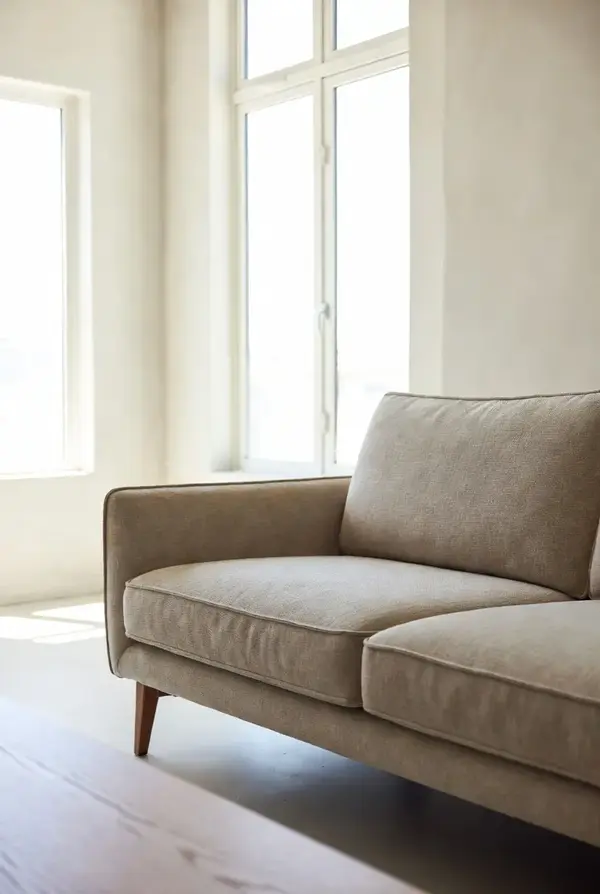
What works best is choosing sofas, chairs, and tables with clean lines and balanced forms. Think straight arms instead of overly curved or exaggerated ones, simple tapered legs rather than chunky blocks, and neutral scale that doesn’t shout for attention.
A well-proportioned sofa with slim arms and mid-century modern legs still looks current in 2026, while that giant cloud-like modular sectional from a few years ago already feels heavy and dated.
My top tip: Stand back and ask yourself—“Would this piece look right in a black-and-white photo from the 1960s or 1990s?” If yes, you’re probably safe.
Invest in Quality Materials That Age Gracefully
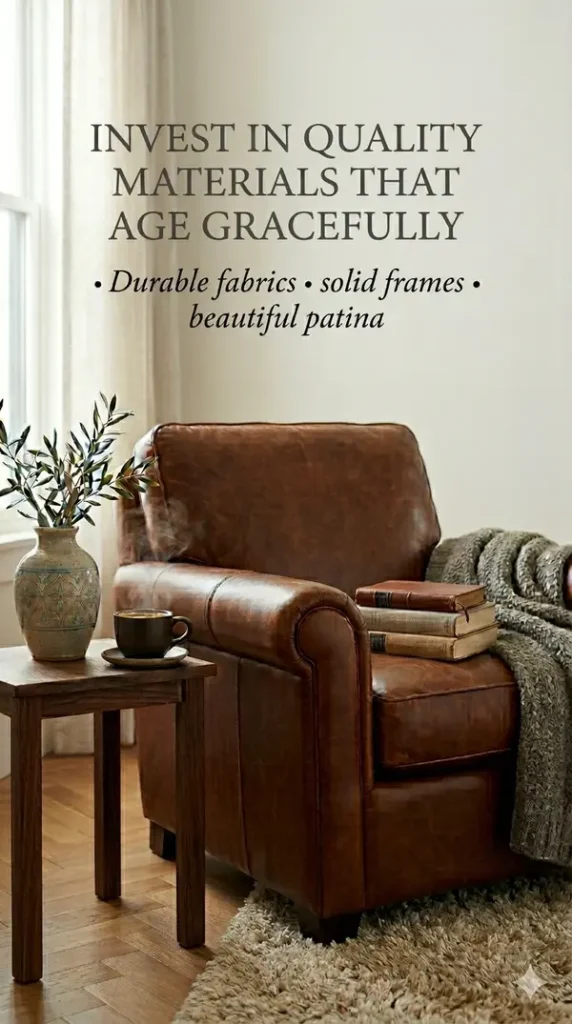
Cheap materials age fast and look tired quickly. I recommend spending more upfront on pieces made with solid hardwood frames, high-density foam, and durable fabrics that develop character instead of falling apart.
Health Support: This high-absorption Magnesium Glycinate (200 mg) is gentle on the stomach and supports muscle relaxation, better sleep, and metabolic health. You can find this trusted formula on Amazon.
Leather is my favorite for longevity—proper full-grain or top-grain leather only gets better with time, developing a beautiful patina that actually enhances the look. Avoid bonded leather; it cracks and peels like an old wallet after a few years.
For upholstery, performance fabrics with high rub counts (at least 50,000) are worth every penny. They resist stains, fading, and pilling far better than trendy velvets or linens that show every mark.
In my experience, a well-made linen-look performance fabric in a neutral tone beats a cheap trendy print every single time. It stays looking expensive while the printed jungle leaf pattern ends up in the donation pile.
Choose Neutral Colors and Strategic Pops
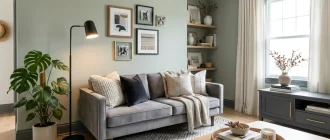
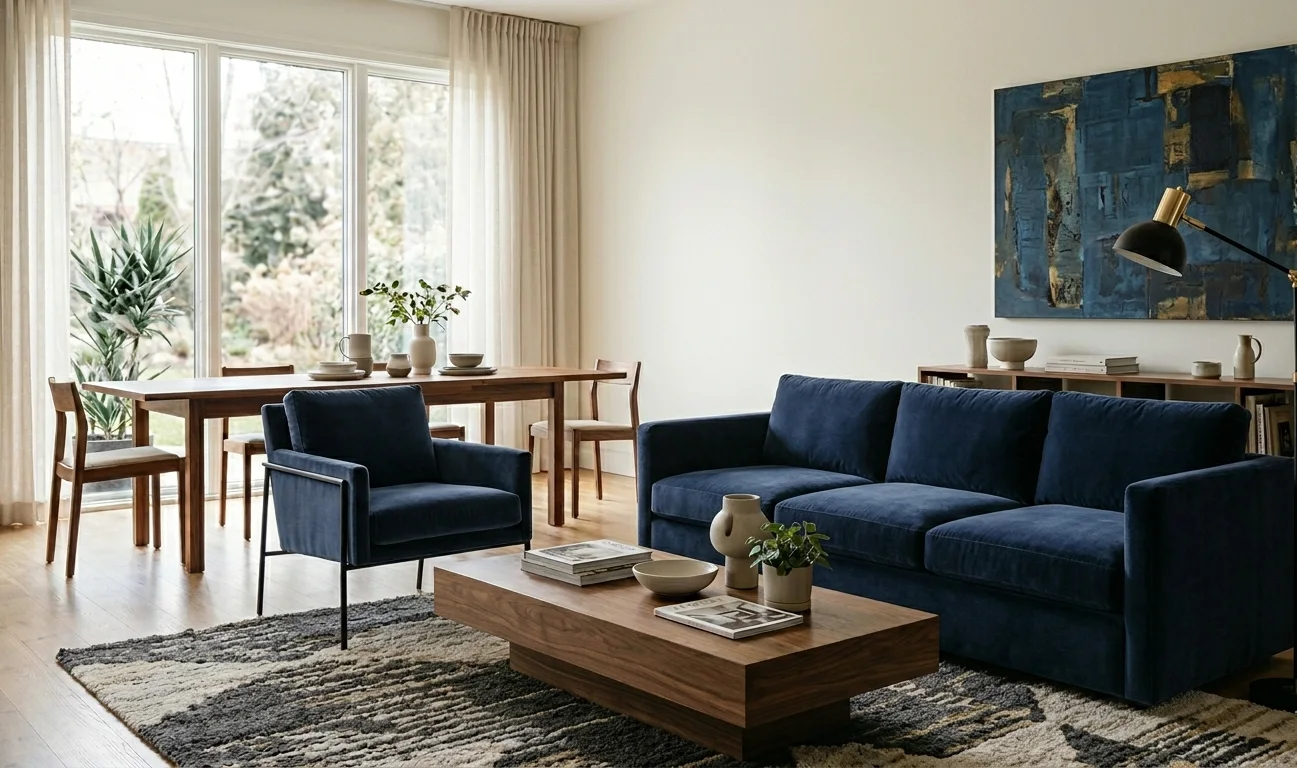
Nothing dates a room faster than a sofa in a screaming trendy color. I always suggest keeping your big investment pieces in timeless neutrals: warm grays, soft beiges, deep charcoals, creamy off-whites, or classic navy.
These colors act like a blank canvas. They let you update the room easily with pillows, throws, art, and accessories whenever you want a refresh—without buying new furniture.
That said, I’m not against color entirely. My favorite trick is using bolder hues on smaller, less expensive pieces like accent chairs, ottomans, or side tables. These can be swapped out cheaply when trends shift.
Prioritize Versatility and Multi-Function
The most future-proof furniture pulls double or triple duty. I recommend looking for pieces that adapt to changing needs and lifestyles.
Extendable dining tables are pure gold—they grow with your family or dinner parties without taking up permanent space. Modular sectionals that can be reconfigured in different layouts give you flexibility for years.
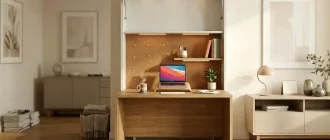
Storage ottomans, beds with hydraulic lift bases, and coffee tables with hidden compartments are small investments that pay off big in both function and longevity. They solve real problems while staying visually quiet.
Pay Attention to Scale and Proportion in Your Space
Even the most timeless piece can look wrong if it doesn’t fit your room. I always suggest measuring twice and buying once.
Leave enough breathing room around furniture—nothing kills the look faster than a sofa that barely fits between walls or a coffee table that blocks all traffic flow.
A good rule I follow: aim for at least 18 inches of walking space between pieces and keep traffic paths clear. Properly scaled furniture instantly feels more expensive and current, no matter the style.
Mix Materials and Textures Thoughtfully
One of the easiest ways to keep a room looking fresh is mixing materials in a balanced way. I recommend combining wood, metal, fabric, and stone so the space doesn’t feel flat or overly matchy.
Pair a sleek metal coffee table with a warm wood dining table, or mix boucle fabric with leather accents. This layered approach creates visual interest that doesn’t rely on fleeting trends.
Just keep the mix intentional—too many competing materials can make a room feel chaotic instead of collected.
Skip the Super-Specific Trendy Details
Avoid anything overly themed or ultra-specific. That cowhide rug shaped like an animal, the neon LED-embedded headboard, or the chair with giant pom-pom trim might look fun in the store, but they’ll scream “of the moment” in two years.
I always suggest asking: “Is this detail classic or gimmicky?” Classic wins every time for long-term satisfaction.
Shop Smart: Where and How to Buy
In my experience, the best long-term value often comes from reputable mid-range brands rather than the cheapest big-box stores or the most expensive designer showrooms. Look for companies with solid warranties (at least 5–10 years on frames) and good return policies.
Thrift stores, vintage markets, and quality second-hand platforms can be fantastic for finding timeless pieces at better prices—especially solid wood tables or well-made leather chairs that have already proven their staying power.
Small Upgrades That Keep Everything Looking Current
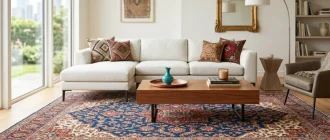
Even the most timeless furniture benefits from occasional refreshers. Simple swaps like new throw pillows in updated colors, fresh lamp shades, or a different area rug can make last year’s setup feel brand new without touching the big pieces.
My favorite low-cost trick: change the hardware on dressers and cabinets every few years. A quick switch from brushed nickel to matte black or warm brass updates the entire look in an afternoon.
Final Thoughts
Choosing furniture that stays timeless doesn’t mean your home has to be boring or stuck in the past. It means being smart about what you invest in so you can play freely with the smaller details that bring personality and current style.
My best advice? Slow down, choose quality over quantity, prioritize neutral foundations with excellent bones, and buy pieces that solve real problems in your daily life. When you do that, your furniture won’t just survive changing trends—it will look confidently stylish for the next decade and beyond.
Your home deserves furniture that grows with you, not against you. Start with those timeless principles, and you’ll create a space that always feels right—no matter what the magazines say next season.