Natural liver detox refers to gently supporting the liver as it processes everyday toxins and keeps the body running efficiently. Similar to giving a well-used machine a smoother path to operate, this approach helps reduce the strain the liver faces. With clearer habits and lighter stress on the organ, it becomes easier to maintain long-term balance.
When people look for ways to cleanse your liver naturally in a sustainable, manageable way, they often discover how widespread liver-related concerns have become. Studies show that up to a quarter of adults worldwide have some form of fatty liver disease, and risks tend to rise with sedentary lifestyles or metabolic issues. These numbers highlight why consistent, supportive routines matter more than quick fixes.
And during those moments when someone notices recurring heaviness or discomfort and starts thinking about a drug-free liver cleanse, practical steps for a simple liver detox at home can offer a safe place to begin. Understanding what truly helps and how to build steady habits sets the stage for exploring causes, symptoms, and effective long-term strategies.
Health Support: This Vitamin K2 + D3 Complex is essential for bone density, cardiovascular health, and immune function. It’s a highly-rated formula for those looking to maintain optimal nutrient levels. You can find it on Amazon.
You don’t need to follow every method listed below. Even choosing two or three that fit your lifestyle can make a noticeable difference in how your body feels and performs.
Hydration Therapy
Think of water as your liver’s best friend. Staying hydrated helps your liver flush out toxins through urine and bile, keeping your blood clean and your digestion smooth. Drinking 8–10 cups (about 2–2.5 liters) of water daily is ideal. Adding a squeeze of fresh lemon to your morning glass can mildly stimulate bile flow and digestion. Forget those fancy detox teas—plain water is the real hero here.
Fiber Power
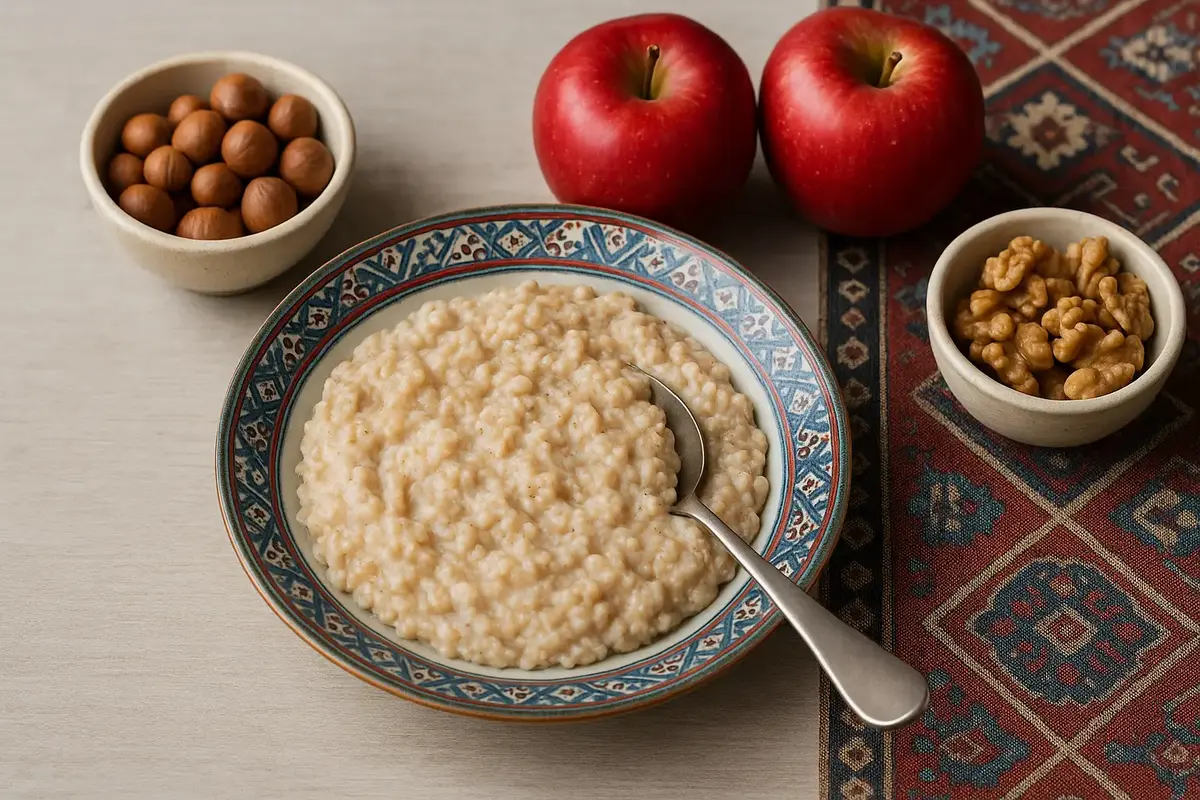
Fiber works like a gentle broom inside your digestive system. Foods rich in fiber—like oats, apples, lentils, and broccoli—bind to toxins and waste products, helping remove them naturally through the intestines. Aim for about 25–35 grams (0.9–1.2 oz) of fiber per day. The result? Less workload for your liver and a healthier gut environment to back it up.
Antioxidant Foods
Antioxidants protect liver cells from oxidative stress, which is like rust forming inside your body. Brightly colored fruits and vegetables—blueberries, spinach, artichokes, and nuts—are loaded with these powerful compounds. Studies show that antioxidant-rich diets improve liver enzyme levels and cellular repair ⧉.
Health Support: This high-absorption Magnesium Glycinate (200 mg) is gentle on the stomach and supports muscle relaxation, better sleep, and metabolic health. You can find this trusted formula on Amazon.
Intermittent Fasting Light
Your liver needs breaks too. Gentle intermittent fasting, such as eating within a 12-hour window (for example, 8 a.m. to 8 p.m.), allows your liver time to process stored nutrients and clear metabolic waste. This isn’t about starvation—it’s about rhythm. Think of it as giving your liver a short daily vacation to catch up on housekeeping duties.
Sleep and Liver Reset
During deep sleep, your liver kicks into high gear, filtering blood and releasing stored glycogen. Skipping sleep is like skipping oil changes for your car. Try to get 7–9 hours of restful sleep nightly. Dim your lights an hour before bedtime and avoid heavy meals late at night—your liver will thank you with better energy and digestion.
Physical Movement
Movement keeps blood flowing through the liver’s tiny capillaries, supporting oxygen delivery and detoxification. Even a brisk 30-minute walk (about 2 miles or 3.2 km) can make a difference. Exercise also reduces fat buildup in the liver, which is a growing issue in sedentary lifestyles ⧉.
Herbal Support
Some herbs have long been used to support liver function. Milk thistle (Silybum marianum), artichoke leaf extract, and dandelion root tea may enhance liver cell regeneration and bile flow ⧉. These can be taken as teas or mild infusions rather than pills. Remember: natural doesn’t always mean harmless, so moderation is key.
Avoiding Toxin Overload
Everyday choices matter. Cutting down on processed foods, refined sugars, and trans fats lightens the liver’s workload dramatically. Think of your liver as a filter—you wouldn’t pour sludge into your water purifier, right? Focus on fresh produce, lean proteins, and whole grains instead. The fewer chemicals your body takes in, the more efficiently your liver can focus on cleansing itself ⧉.
Editorial Advice
Reyus Mammadli, medical consultant, notes that the key to a healthy liver isn’t about radical cleanses or expensive supplements—it’s consistency. Supporting your liver daily through clean hydration, a balanced diet, and restful sleep yields better results than any quick fix. For those starting fresh, he recommends picking one dietary and one lifestyle change, like more fiber and more sleep, and sticking with them for two weeks. You’ll likely notice lighter digestion, clearer skin, and better energy. The liver, after all, thrives on steady care, not sudden shocks.