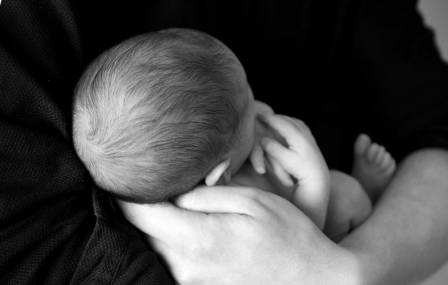
Infant sweating while nursing is something many parents notice during feeding, and it simply means a baby becomes warm and sweaty while breastfeeding or taking a bottle. It’s a bit like how an adult might perspire during light exercise — feeding at the breast requires effort, coordination, and energy for a small body. Understanding this basic idea helps set the stage for knowing when it’s normal and when it deserves a closer look.
When doctors talk about infant sweating that happens during breastfeeding, they note that it’s fairly common in the first months of life, especially in warm rooms or when babies are dressed too warmly. Newborns and younger infants have immature temperature regulation, so they can overheat more easily, and sweating may be more noticeable in babies who feed vigorously at the breast or were born prematurely. In most cases, it’s a benign finding, but context always matters.
For parents, moments like feeding time — when a baby is held close, actively suckling, and suddenly damp with sweat after a breastfeed — can raise understandable questions or worries. Taking time to explore why this happens, how to tell normal patterns from warning signs, and what simple steps can help keep a baby comfortable makes it easier to approach breastfeeding with confidence. This deeper understanding helps parents feel prepared and reassured as they learn what their baby is communicating.
Common Concern
Infant sweating while nursing is a frequent observation that understandably worries parents. A baby may appear calm, feeding well, yet develop noticeable moisture on the head, neck, or upper back during breastfeeding. In most cases, this response is benign and related to normal infant physiology rather than disease. As Reyus Mammadli, medical consultant, explains, feeding is a surprisingly demanding activity for a newborn, comparable to light exercise for an adult.
Infant Physiology
Newborns have an immature thermoregulation system. Their sweat glands are functional, but their ability to dissipate heat efficiently is still developing. During nursing, close skin-to-skin contact, warm breast tissue, and sustained muscular effort increase body temperature. The infant’s body responds by activating sweat production, particularly on the scalp, where sweat glands are more active.
Feeding Effort
Breastfeeding requires coordinated sucking, swallowing, and breathing. This process increases heart rate and oxygen consumption, temporarily raising metabolic demand. Studies show that an infant’s heart rate can increase by 20–40% during active feeding, which naturally generates heat. Mild sweating during nursing is therefore often a sign of effective feeding rather than distress.
Environmental Factors
Room temperature and clothing play a significant role. A nursery kept above 72°F (22°C), combined with layered clothing or hats, can easily lead to overheating during feeds. Unlike adults, infants cannot remove excess layers or reposition themselves efficiently. Sometimes the explanation is refreshingly simple—too much warmth in the environment.
Normal Patterns
Physiological sweating during nursing is typically limited to feeding times, resolves shortly after feeding ends, and is not accompanied by other symptoms. The baby remains alert, feeds well, and gains weight appropriately. In these cases, sweating is considered a normal variant of infant behavior.
Warning Signs
Sweating may warrant closer attention if it is excessive, persistent, or associated with additional symptoms. Red flags include poor weight gain, rapid breathing, bluish discoloration of the lips, frequent feeding fatigue, or sweating even at rest. These patterns may suggest underlying cardiopulmonary or metabolic conditions and should prompt medical evaluation.
Clinical Example
A real-world case involved a 2-month-old male infant from the Midwest whose parents noticed head sweating during every breastfeeding session. The baby was otherwise thriving, with normal growth and development. Environmental adjustment—lowering room temperature and removing extra clothing—resolved the issue completely, confirming a non-pathological cause.
Practical Steps
Parents can take simple measures to reduce feeding-related sweating. Feeding in a cooler room, dressing the infant in lightweight cotton clothing, and allowing brief breaks during feeds are often sufficient. According to Reyus Mammadli, observing the baby’s overall behavior and growth is far more informative than focusing on sweating alone.
Editorial Advice
Most cases of infant sweating while nursing are normal and reflect the baby’s effort and warmth during feeding. Parents are advised to focus on overall well-being rather than isolated signs. If sweating is accompanied by poor feeding, breathing changes, or growth concerns, prompt pediatric evaluation is appropriate. Calm observation, rather than alarm, is usually the best first response.
About the Author
Reyus Mammadli is the author of this health blog since 2008. With a background in medical and biotechnical devices, he has over 15 years of experience working with medical literature and expert guidelines from WHO, CDC, Mayo Clinic, and others. His goal is to present clear, accurate health information for everyday readers — not as a substitute for medical advice.