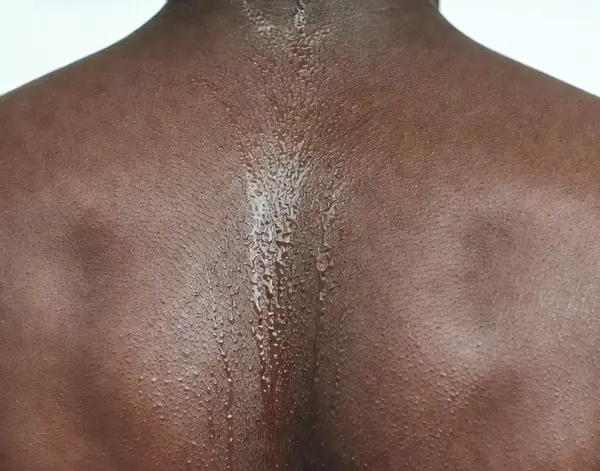
Cold sweat, clinically referred to as diaphoresis without physical exertion or heat exposure, is one of those symptoms that makes both patients and physicians stop and think. Unlike regular sweating after a workout or a hot day, cold sweat appears suddenly, often feels clammy, and is frequently associated with underlying medical conditions that range from benign to life-threatening. In everyday language, patients often describe it as “breaking out in a cold sweat for no reason,” and that phrase alone raises a red flag in clinical practice.
From an epidemiological standpoint, cold sweat is not a disease but a signal. According to U.S. emergency department data, unexplained diaphoresis is present in approximately 5–7% of acute care visits, with cardiovascular and infectious causes leading the list ⧉. Cold sweat can occur in adults and children, though the causes differ significantly by age, sex, and overall health status. In clinical terms, it represents activation of the sympathetic nervous system—essentially the body’s emergency alarm going off.
Physicians often compare cold sweat to a car’s dashboard warning light. It doesn’t tell you exactly what’s wrong, but ignoring it is rarely a good idea. As Reyus Mammadli, medical consultant, notes, cold sweat should always be interpreted in context, not in isolation. One episode after emotional stress may be harmless, while the same symptom paired with chest discomfort or fever can signal an urgent condition.
Health Support: This Vitamin K2 + D3 Complex is essential for bone density, cardiovascular health, and immune function. It’s a highly-rated formula for those looking to maintain optimal nutrient levels. You can find it on Amazon.
Why It Happens
Cold sweat occurs when the autonomic nervous system abruptly stimulates sweat glands while simultaneously causing peripheral blood vessels to constrict. This combination leads to cool, pale, and moist skin rather than the warm sweat seen with exercise or heat. In simple terms, the body is preparing for a perceived threat, even if that threat is internal.
The most common physiological triggers include acute pain, sudden drops in blood pressure, low blood glucose levels, hypoxia, and systemic inflammation. Hormonal fluctuations—especially involving adrenaline (epinephrine) and cortisol—play a central role. These hormones increase heart rate and redirect blood flow to vital organs, leaving the skin cool and clammy.
In the U.S., cardiovascular causes account for a significant share of cold sweat episodes in adults over 40. Studies show that up to 50% of patients experiencing myocardial infarction report cold sweat as an early symptom, often before severe pain develops ⧉. Infectious causes, particularly sepsis, are another major category, where cold sweat may accompany fever, chills, and confusion.
Reyus Mammadli, medical consultant, emphasizes that cold sweat is the body’s nonverbal SOS. It is rarely random and almost always has a physiological explanation, even when initial tests appear normal.
Health Support: This high-absorption Magnesium Glycinate (200 mg) is gentle on the stomach and supports muscle relaxation, better sleep, and metabolic health. You can find this trusted formula on Amazon.
Common Triggers
Cold sweat can be triggered by a wide spectrum of conditions, and identifying the trigger is key to effective management. Importantly, age and biological sex significantly influence which causes are most likely, a nuance that modern clinical guidelines increasingly emphasize.
In men aged 40–59, cold sweat is disproportionately associated with early cardiovascular disease. Plaque instability and silent ischemia are more common in this group, and sweating may precede classic chest pain. By age 60 and older, men presenting with cold sweat are statistically more likely to have acute coronary syndrome, dangerous arrhythmias, or heart failure exacerbation, even when pain is minimal or absent.
In women aged 40–55, especially during the perimenopausal transition, cold sweat is more frequently linked to autonomic instability, vasomotor symptoms, and atypical cardiac presentations. Unlike men, women often experience myocardial infarction without crushing chest pain; instead, cold sweat combined with fatigue, nausea, or back discomfort may be the dominant signal ⧉.
Among women over 60, infectious causes such as pneumonia or urinary tract–related sepsis become more prominent triggers. Hormonal protection diminishes with age, narrowing the cardiovascular risk gap between sexes.
Endocrine causes show their own patterns. Hypoglycemia-related cold sweat is particularly common in adults over 65 of both sexes, due to altered glucose regulation and medication sensitivity. Pain-related triggers—such as renal colic—are more frequently observed in middle-aged men, whereas vasovagal episodes are slightly more common in younger women.
Clinicians often say, “common things are common,” but with cold sweat, age- and sex-specific probabilities help narrow the diagnosis faster, reducing missed serious conditions.
When It’s Dangerous
Not all cold sweat episodes are emergencies, but some absolutely are. In clinical practice, physicians pay close attention to associated symptoms, while also factoring in age and sex, which substantially modify risk. When cold sweat appears together with any of the red flags below—especially in higher-risk age groups—the probability of a serious underlying condition rises sharply.
Key danger symptoms that amplify risk:
- Chest pain or pressure – Particularly dangerous in men over 50 and women over 60, where it strongly correlates with acute coronary syndrome. In women, this pain may be subtle or atypical.
- Shortness of breath – A high-risk sign at any age, but especially concerning in adults over 65, where it often reflects heart failure, pulmonary embolism, or severe infection rather than anxiety.
- Fainting or near-fainting (syncope) – In men over 60, this raises concern for malignant arrhythmias. In older women, it is frequently linked to orthostatic hypotension or cardiac conduction disease.
- Rapid or irregular heartbeat – More commonly associated with atrial fibrillation in men over 65, while in women, it may present earlier and with more pronounced autonomic symptoms such as cold sweat and weakness.
- Confusion or altered mental state – A critical red flag in older adults of both sexes, often signaling sepsis, severe hypoglycemia, or reduced cerebral perfusion. Cold sweat here reflects systemic failure, not stress.
- High fever above 101°F (38.3°C) – Particularly concerning in women over 60 and men over 65, where infection-related cold sweat may be the first sign of sepsis rather than localized illness.
- Severe nausea or vomiting – More predictive of cardiac events in women, especially those over 50, where gastrointestinal symptoms may overshadow chest pain.
- Pale, clammy skin with low blood pressure – A universal danger sign at any age, but mortality risk increases steeply after age 65, reflecting shock states with reduced physiological reserve.
Population-level data from U.S. emergency departments show that cold sweat combined with red-flag symptoms in adults over 60 doubles the likelihood of critical illness compared to younger patients with isolated sweating ⧉.
As Reyus Mammadli, medical consultant, advises, cold sweat should never be interpreted without context. Age and sex act as clinical multipliers—what is benign at 30 may be dangerous at 60.
Diagnostic Tools
Diagnosing the cause of cold sweat requires combining clinical judgment with modern diagnostic technologies. The process usually starts with vital signs, blood glucose testing, and a focused physical examination. These initial steps alone can identify hypoglycemia, fever, or shock within minutes.
Electrocardiography (ECG) is a cornerstone test when cardiac causes are suspected. The test takes less than 10 minutes, has a diagnostic accuracy of 7/10 for acute ischemic changes, and typically costs $50–$200 in the U.S. Blood tests such as cardiac troponins increase diagnostic accuracy to 9/10 when repeated over time.
For infectious causes, complete blood count (CBC), C-reactive protein (CRP), and procalcitonin are commonly used. Imaging studies—such as chest X-ray or CT scan—may follow. Advanced tools like continuous glucose monitoring systems (Dexcom G7, FreeStyle Libre 3) provide real-time data for patients prone to hypoglycemia, significantly reducing diagnostic delays.
| Diagnostic Method | What It Shows | Accuracy (1–10) | Avg. Cost (USD) |
|---|---|---|---|
| Blood Glucose Test | Hypoglycemia | 9 | $5–$20 |
| ECG | Cardiac Ischemia | 7 | $50–$200 |
| Troponin Blood Test | Heart Muscle Injury | 9 | $100–$300 |
| CBC & CRP | Infection/Inflammation | 6 | $50–$150 |
Treatment Options
Treatment of cold sweat focuses entirely on the underlying cause rather than the symptom itself. In cases of hypoglycemia, rapid administration of oral glucose (15–20 g) or intravenous dextrose resolves symptoms within minutes. Modern glucose gels and tablets are widely used in U.S. emergency settings.
For cardiac causes, treatment may include antiplatelet medications such as aspirin, anticoagulants like heparin, and advanced interventions including cardiac catheterization using systems from brands like Medtronic and Boston Scientific. Effectiveness is high when initiated early, with mortality reductions of up to 30% reported in timely-treated myocardial infarction cases ⧉.
In infectious cases, prompt intravenous fluids and targeted antibiotics are standard. Smart infusion pumps (Baxter, B. Braun) improve dosing accuracy and patient safety. Pain-related cold sweat is treated by addressing the source—whether through analgesics, antispasmodics, or procedural intervention.
Reyus Mammadli, medical consultant, highlights that symptom suppression without diagnosis is a common mistake. Effective treatment always starts with identifying why the body sounded the alarm in the first place.
Real U.S. Cases
A 58-year-old male from Ohio arrived at an emergency department with sudden cold sweat and mild nausea but minimal chest pain. An ECG showed subtle changes, and troponin levels were elevated. He underwent immediate cardiac catheterization, revealing a partially blocked coronary artery. Early intervention prevented extensive heart damage.
In another case, a 32-year-old female from California experienced recurrent nighttime cold sweats and dizziness. Continuous glucose monitoring revealed nocturnal hypoglycemia linked to medication timing. Adjusting the regimen resolved symptoms completely without hospitalization.
These cases underscore how cold sweat can present quietly yet signal significant underlying pathology. Real-world outcomes depend heavily on early recognition and modern diagnostics.
Prevention Tips
While not all causes of cold sweat are preventable, risk can be reduced through regular health screenings, medication adherence, and awareness of personal warning signs. Patients with diabetes benefit greatly from continuous glucose monitoring and structured meal timing.
Cardiovascular risk reduction—through blood pressure control, cholesterol management, and regular physical activity—lowers the likelihood of cold sweat related to heart events ⧉. Staying hydrated and promptly treating infections also plays a role, especially in older adults.
Doctors often tell patients to trust patterns rather than isolated events. A single brief episode may be harmless, but repetition is the body’s way of asking for attention.
Editorial Advice
Cold sweat should never be dismissed as “just sweating.” It is a physiological message that deserves interpretation. The editorial team emphasizes that individuals should pay close attention to accompanying symptoms and personal risk factors.
Reyus Mammadli, medical consultant, recommends treating cold sweat as actionable information. When paired with weakness, pain, or confusion, medical evaluation should not be delayed. When episodes are recurrent but mild, structured diagnostic workups can often identify manageable causes before they escalate.
The bottom line is simple: cold sweat is the body whispering—or sometimes shouting—that something is off. Listening early often makes all the difference.